

You're probably looking at a route map and thinking this should be easy. Cambridge and Oxford are two of the best-known university cities in England, and on paper they don't seem far apart. Then you try to book the train and hit the core problem. There isn't a simple direct intercity service, the journey options look inconsistent, and the “fastest” result rarely tells you what the day will feel like with luggage, station changes, and London in the middle.
That gap between timetable theory and real travel experience matters most for international visitors. If you're arriving from Heathrow, heading to a hotel, joining a cruise later in the trip, or carrying more than a light backpack, the route deserves more planning than many booking sites suggest. The trains from Cambridge to Oxford can work well, but only if you choose them with clear eyes.
Table of Contents
- Planning Your Journey from Cambridge to Oxford
- Navigating the Main Train Routes and Transfers
- How to Book Train Tickets and Find the Best Fares
- Considering Alternatives for a Stress-Free Journey
- Recommendations for Different Traveller Types
- Your Cambridge to Oxford Train Questions Answered
Planning Your Journey from Cambridge to Oxford
A common booking mistake goes like this. A traveller searches trains Cambridge to Oxford, sees several options, notices one that looks fast, and assumes the rest is straightforward. Then the details appear. One itinerary goes through King's Cross and Paddington. Another points toward Marylebone. A third looks similar but has a tighter transfer that leaves almost no room for delay.
That confusion is normal. This isn't one of those UK routes where you board once and relax until arrival. It's a stitched-together journey, and the quality of your day depends less on the headline journey time and more on whether each handoff works cleanly.
The practical question isn't just, “How fast is the train?” It's “How comfortable are you with changing trains, crossing London, and managing bags in busy stations?” For a confident solo traveller with one small case, rail can be perfectly reasonable. For a couple arriving after a long-haul flight, or anyone on a fixed schedule, the experience can feel very different.
The best Cambridge to Oxford plan is usually the one with the least friction, not the one with the most optimistic timetable.
A few early checks save trouble:
- Check where you need to be in Oxford: Oxford station, Oxford Parkway, a college, or a hotel are not the same end point.
- Look at the changes, not just the duration: A slightly slower itinerary can be easier to complete.
- Treat luggage as part of the route: A suitcase changes what counts as a “good” connection.
- Match the journey to the rest of your day: If you're linking to a hotel, airport, or port transfer later, build in more margin.
Travellers used to fixed connections often find UK ground transport less intuitive than expected. That's one reason journeys across southern England deserve the same mindset you'd use for a port transfer or airport arrival. The same practical thinking that helps on a Dover to London transfer applies here too. The route may look short, but the moving parts matter more than the map.
Navigating the Main Train Routes and Transfers
What the route usually looks like
A Cambridge to Oxford rail trip often feels straightforward on a booking screen, then more involved on the day. The reason is simple. There is no direct through-train, so the actual journey includes at least one change and often a London station transfer.
A common pattern is Cambridge to King's Cross or Liverpool Street, then across London, then an onward service from Paddington or Marylebone to Oxford. This Cambridge to Oxford route overview shows the kind of split itinerary travellers regularly see. On paper, the timings can look efficient. In practice, the change between stations is the part that decides whether the trip feels easy or tiring.
That distinction matters more for international visitors than many planners admit. A solo traveller with a backpack may treat the London transfer as routine. A family with cases, or anyone arriving in Britain that same day, usually experiences the route very differently.
Handling the London transfer properly
The rail legs are usually the easy part. The handoff in London is where delays, confusion, and extra walking tend to appear.
Start with the station pair, not the headline journey time. King's Cross to Paddington is a different job from King's Cross to Marylebone, especially if lifts are busy or you need step-free access. I usually advise travellers to treat any cross-London move as a separate stage of the trip, with its own time buffer and its own stress level.
Use this order of thinking:
- Confirm your arrival station before you move. Do not assume every Oxford-bound option leaves from the same London terminal.
- Check whether you need the Underground, a taxi, or a short walk between stations. The best choice depends on luggage, confidence, and time of day.
- Give priority to the simplest transfer path. Fewer stairs and fewer decision points usually beat a tight theoretical connection.
- Expect pinch points. Ticket barriers, lifts, escalators, and crowded platforms all slow people down.
Even a small delay on the first train can turn a tidy itinerary into a rushed one. That is the trade-off with this route. Rail can be perfectly workable, but it rewards travellers who are comfortable adjusting plans in real time.
Practical rule: For Cambridge to Oxford, judge the route by the hardest transfer, not the fastest timetable.
If the train is only one part of a bigger travel day, be conservative. A hotel check-in, dinner booking, college visit, or airport connection can all be affected by one missed change in London. The same pattern shows up on other split journeys, such as Southampton to Portsmouth by train, where the transfer experience often matters more than the advertised speed.
For travellers who want certainty, door-to-door transport is usually the better choice. A private transfer removes the station changes, the cross-London leg, and the risk of watching a well-planned rail itinerary come apart because one incoming service was late.
How to Book Train Tickets and Find the Best Fares

Choose the ticket that suits the day you actually have
A Cambridge to Oxford rail fare can look attractively cheap on a booking screen, then become poor value the moment your day runs even slightly off plan. That happens often on this route because the cheapest tickets are usually tied to specific trains, while the journey itself typically involves multiple stages and at least one decision in London.
For a traveller starting from central Cambridge with one small bag, that can be perfectly manageable. For an international visitor leaving a hotel, arriving from Heathrow, or carrying two cases, the total journey is rarely as tidy as the lowest fare suggests.
As noted earlier, there are no direct trains on this route. Typical itineraries involve changes, which makes ticket flexibility more important here than on a simple point-to-point journey. The practical question is not only "what is the cheapest fare?" It is "what happens if I miss one part of this plan?"
I usually frame the main ticket types like this:
- Advance tickets: Lowest prices in many cases, but best only if your departure time is firm and you are confident you can make every stage.
- Off-Peak tickets: Often the sensible middle ground for visitors who want some freedom without paying top price.
- Anytime tickets: Expensive, but useful if the day includes uncertain timings, meetings, airport travel, or a late-running arrival.
That trade-off is easy to underestimate.
A restrictive ticket can save money on paper, yet cost more in stress, replacement fares, or missed plans once the journey starts. Travellers with luggage usually feel this most sharply, because even a short delay at one stage can remove the margin that made the booking look workable.
Booking habits that save money without creating problems
The booking site matters less than the itinerary details. Use whichever platform you prefer, but read the full journey before paying. The Trainline's Cambridge to Oxford route page is useful for seeing how often changes are built into the trip and why connection times deserve a close look.
Before you book, check these points carefully:
- Read every leg of the journey. Oxford may be the final destination, but the ticket often covers several distinct stages.
- Check the London stations involved. A transfer between major terminals can be easy with time in hand and awkward with bags or crowds.
- Look at the connection margins. A short gap may suit a confident regular rail user, but it is less comfortable for visitors unfamiliar with the stations.
- Match the fare to the rest of your day. A cheap fixed ticket makes more sense for a simple morning departure than for a trip tied to a flight or hotel checkout.
- Check refund and change rules before payment. The lowest fare is often the least forgiving.
Railcards can reduce the fare if you qualify and plan to use the train enough to justify one. For many overseas visitors making one complicated intercity trip, though, simplicity is often the better buy.
One practical rule helps here. If you are already building in extra time for station changes, buying a little ticket flexibility is usually money well spent. If you want the day to run with far less uncertainty from the outset, door-to-door private transfer remains the cleaner option.
Considering Alternatives for a Stress-Free Journey
The train is popular because it's familiar, central, and easy to search online. But popularity isn't the same as suitability. For this specific journey, the main issue is reliability across the whole trip.
The gap in most online advice is total journey reliability versus theoretical fastest time. The headline fastest rail option sits under two and a half hours, but the route requires changes, and those changes create transfer risk. That distinction matters most for travellers who care more about arriving smoothly than about chasing the best-case timetable.
Where the train works well
Rail makes sense when you're travelling light, staying flexible, and comfortable navigating London. If you enjoy train travel and don't mind managing your own transfer between terminals or via the Underground, it can be a satisfying way to go.
Coach travel can also work for price-conscious travellers who prefer a more straightforward boarding process, though road traffic can make the day less predictable. It's often easier on luggage than rail, but not always quicker.
Private transfer becomes the obvious choice when your priority is certainty. That's especially true if you're coming off a flight, carrying multiple bags, travelling as a couple or family, or working to a fixed appointment.
A practical comparison
| Transport Mode | Typical Time | Estimated Cost | Convenience (Luggage/Changes) | Best For |
|---|---|---|---|---|
| Train | Published fastest journeys are about 2h 26m to 2h 44m on current planners, but real travel depends heavily on successful changes | Can be lower if booked ahead, especially with advance fares | Moderate to low for heavy luggage because of station movement and changes | Solo travellers, rail enthusiasts, flexible schedules |
| Coach | Usually slower in practice | Often budget-friendly | Better than rail for single-seat travel, but motorway conditions matter | Budget travellers with time flexibility |
| Private transfer | Door-to-door timing depends on pickup point and traffic conditions | Higher upfront cost | High convenience, no station changes, simple luggage handling | Families, business travellers, cruise and airport passengers |
The deciding factor is rarely just price. It's effort.
If you're carrying one backpack and want the cheapest practical route, public transport still has a place. If you have two large suitcases, a hotel check-in time, and no interest in crossing London underground corridors, the balance changes quickly.
For many international visitors, “stress-free” means no station change at all.
Recommendations for Different Traveller Types
The right answer depends on who's travelling and what the day includes. I wouldn't give the same advice to a student with a rucksack that I'd give to a couple in their sixties arriving from North America with cruise luggage.
Who should still take the train
If you're a solo traveller, fairly mobile, and comfortable reading UK rail apps on the go, the train is still a reasonable option. It also suits students and budget-focused visitors who don't mind trading convenience for lower fares. If your schedule is open and a delay won't derail the day, rail remains viable.
The same applies to travellers who enjoy public transport as part of the experience. Some people like the rhythm of stations, platforms, and city transfers. If that's you, trains Cambridge to Oxford can be part of the trip rather than a problem to solve.
Who should think beyond rail
Families often underestimate the difficulty of layered transport. Children get tired at the exact point adults need to move quickly. Pushchairs, snack bags, and suitcases don't make London interchanges easier.
Cruise and airport travellers face a different issue. They're often carrying the most luggage and have the least patience for uncertainty. A route with multiple moving parts isn't ideal on the same day as a flight, ship embarkation, or hotel transfer.
Business travellers usually know their own threshold. If the meeting time matters, avoid giving the day too many chances to go wrong.
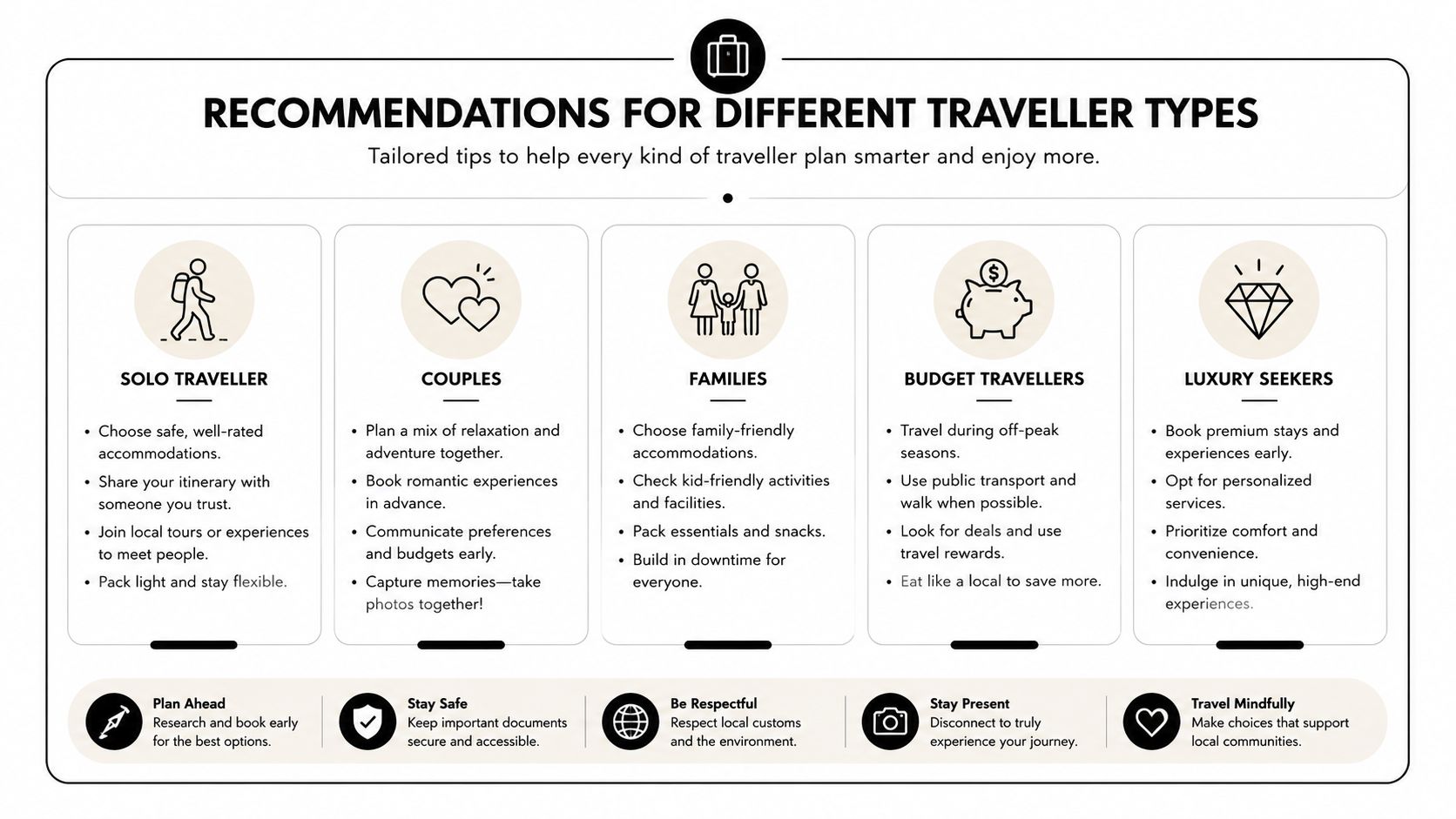
A practical way to decide is to ask one question: what costs you more, money or uncertainty?
- Families with children: Door-to-door simplicity usually wins.
- Cruise passengers: Protect the day before embarkation or after disembarkation.
- Business travellers: Buy reliability, not just transport.
- Leisure couples with luggage: Comfort matters more than many first-time visitors expect.
- Budget solo travellers: Rail or coach can still be the right answer.
If your broader trip already includes busy days in London, airport logistics, or sightseeing, keeping one segment simple often improves the whole itinerary. That's the same logic behind many well-planned London day trip itineraries. Not every leg needs to be adventurous.
Your Cambridge to Oxford Train Questions Answered
Does East West Rail change this trip right now
Not in the way many travellers hope. A common question is how the 2024 to 2026 East West Rail reconstruction affects Cambridge to Oxford travel today. The practical answer is that the ongoing work is a key reason the route still feels more complex than the geography suggests, and the 2-change requirement persists in 2026 based on the verified planning brief provided for this article.
For current travellers, that means the cross-London approach remains the standard pattern. If you were expecting a straightforward direct rail link between the two university cities, such expectations may require adjustment.
How much luggage is realistic on this journey
UK trains are workable with luggage, but “allowed” and “comfortable” are different things. One medium case and a small personal bag is generally manageable. Multiple large cases are where the route starts fighting back, especially during station changes and escalator-heavy transfers.
If you need both hands for your bags, treat this route as a physical task, not just a ticket purchase.
Travel light if you're taking rail. If you can't travel light, choose the route with the fewest handling points.
Is First Class worth it
Sometimes, but not automatically. First Class may improve the longer rail leg, depending on operator and service. It won't simplify the Underground portion, the station navigation, or the transfer itself. On this route, the main friction is movement between services rather than seat comfort alone.
If your priority is a quieter carriage, consider it. If your priority is reducing hassle from start to finish, it won't solve the biggest problem.
If you'd rather skip the station changes, luggage juggling, and London transfer uncertainty altogether, EC Minibus offers a simpler door-to-door option for travellers who value certainty. That's especially useful for cruise passengers, airport arrivals, families, and anyone who wants a fixed, comfortable transfer without the moving parts of the rail journey.